
How Hobbies Make Characters Instantly More Interesting
A look at how simple hobbies can deepen your characters, shape their personalities, drive your story, and even create entire spin-offs.

I finished watching Frieren recently (an anime) and her spell-collecting stuck with me. It gave her purpose and more depth and wasn’t just a throwaway quirk.
That inspired me to write on how giving your characters hobbies can make them more interesting, boost your storytelling, and add extra layers you might not see coming.
Let’s dive on in…
Why Hobbies Matter
I’d hope that everyone reading this has (or had) some sort of hobby. For instance, I collect LEGOs, sink way too many hours into the game, RimWorld, and get pissed when I screw up a puzzle.
Aside from spending time with loved ones, it’s a fantastic way to escape the daily grind. To cope with something.
If a character’s whole existence is to serve the plot, they end up flat. A hobby rounds them out.
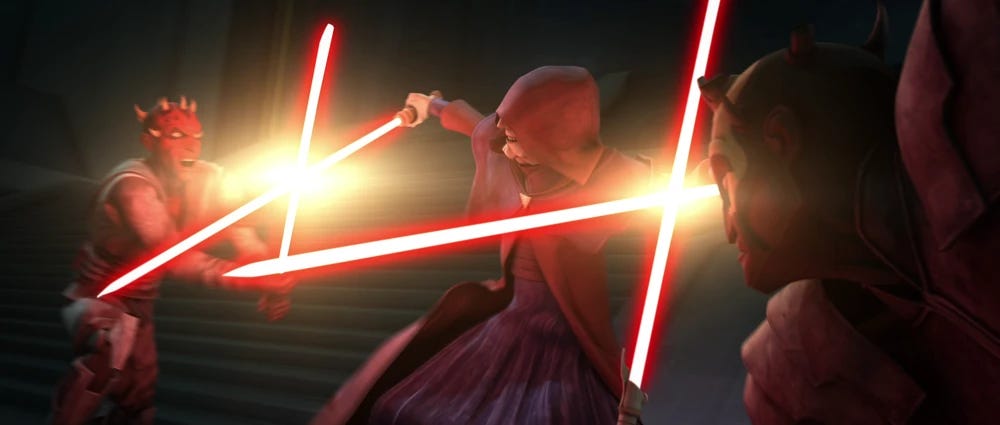
Exhibit A: Emperor Palpatine in Star Wars Legends. As a kid, he was obsessed with ancient Sith texts, which set him on the dark path. And he was into racing, which tied into his thrill-seeking personality.
Even in canon, the dude radiates thrill-seeker energy. He stayed on the second Death Star instead of Coruscant, fought Darth Maul and Savage Opress simultaneously, and he took on a bunch of Jedi Masters reflect this trait well.
Hobbies as a Window into a Character’s Mindset
Hobbies tend to show us how a person thinks. Some people collect erasers for a sense of order. Others pick to live in MMORPGs instead because they want to escape the real world.
A character who painstakingly restores antiques probably cares about preserving history. Another who keeps upgrading their car, bike, or weapon likely believes nothing’s ever perfect.
They let us learn about a character without a bunch of exposition.
It also shows us how different people cope with boredom, stress, or fear.
Hobbies as a Coping Mechanism
Certain characters use them to deal with old wounds or stress.
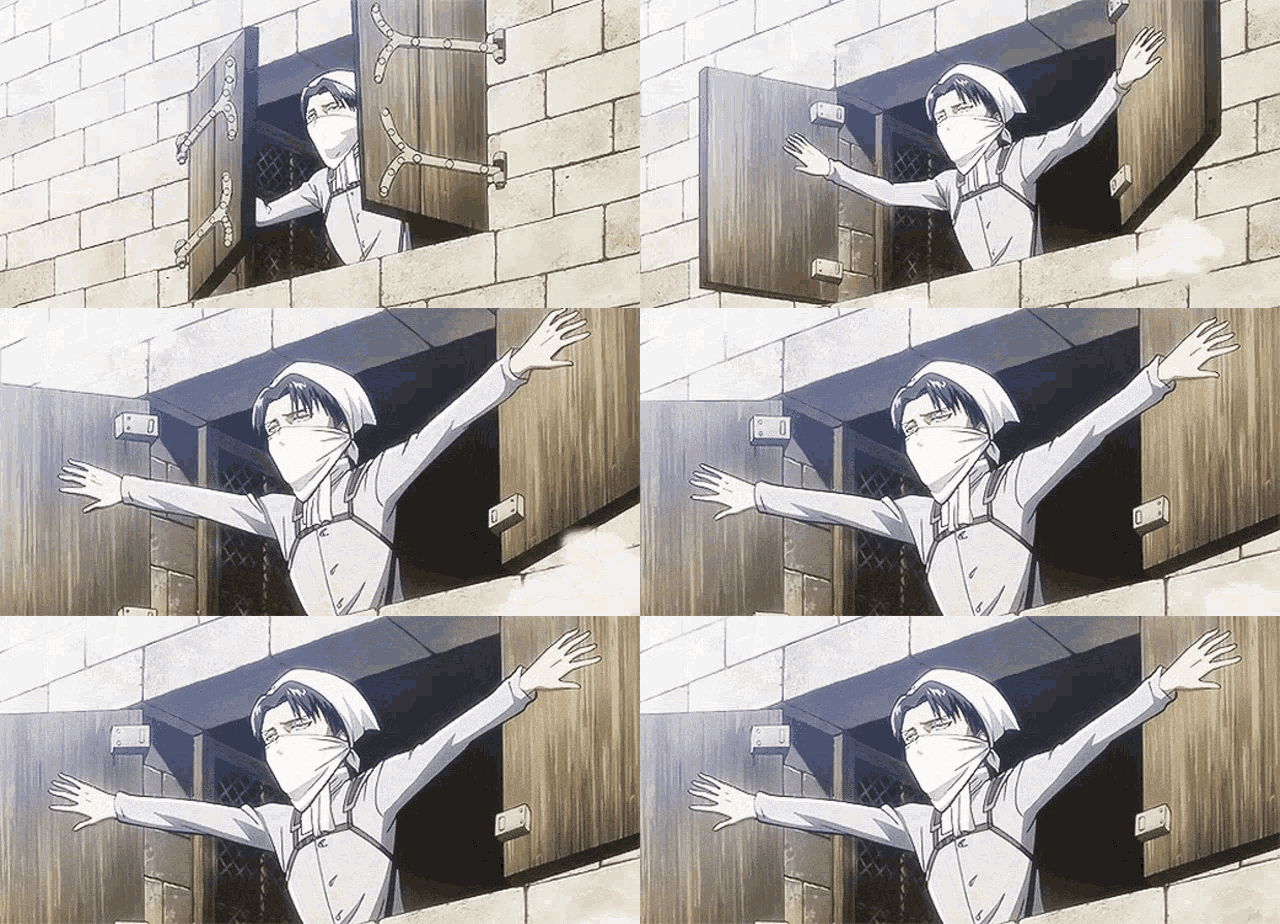
Take Levi from Attack on Titan (anime). He’s borderline obsessive about cleaning. Growing up in that grimy Underworld, he never had control. Now, cleaning is his way to feel in charge.
And this applies to real life, too.
For me, I have a bit of an obsession with cleaning because I’ve seen a lot of dirty-ass rooms. I vowed never to let my space reach that point.
Other folks with anxiety or past trauma develop obsessive cleaning habits because keeping their space in order gives them a sense of control.
Now, is cleaning technically a hobby? Not really. It’s more of a routine task. But when taken to an extreme, it can become an obsession.
And that leads to…
When a Hobby Becomes an Obsession
There’s a line between having a passion for something and letting that passion control you.
A hobby is something you enjoy. An obsession is something you can’t quit. Even if it’s harmful.
I want to mention a character I’m working on.
She has an obsession with collecting information on every plant in the known universe and does this to improve her abilities, which are akin to botanokinesis. But over time, it consumes her. She becomes so driven to learn more that she risks her life — and the lives of others — just to find what she’s looking for.
A hobby can be a defining trait, but when it crosses a certain line, it stops being a character detail and starts being a flaw.
It makes for a fun story, though. Right?
How Hobbies Can Drive a Story
Sherlock Holmes’s obsession with chemistry isn’t just a “cool trait”; it helps him solve crimes. It makes sense for his character and gives him a practical skill that drives the plot.
Indiana Jones is an archaeologist who loves relics, which fuels his entire storyline. Without it, there would be no Indiana Jones movies and Harrison Ford would’ve been short 25 million dollars.
Jumping back to my plant-obsessed character. Her drive to find and document new plant species directly impacts the story’s universe. Without her obsession, key events in the main story wouldn’t happen.
I’ll share more about that soon, so stay tuned. You can find an introduction to my story in this piece:

We’ve talked about some hobbies that add depth to a character, but now let’s talk about when hobbies go wrong.
Before I roast some of these, I want to hear from you. What’s your favorite fictional hobby? Let everyone know in the comments.
The Wrong Way to Give Characters Hobbies
Look at Naruto, yet another anime. Tenten’s fortune-telling only exists in a databook, not in the story itself, so it never gets to humanize her on-page. Compare that to Shikamaru, whose shogi hobby ties into his lazy, strategic mind.
Then there are hobbies that would feel completely out of place.
Imagine giving Legolas a passion for collecting rare rocks. It’d be weird because it doesn’t fit his character or contribute to The Lord of the Rings in any way.
However, if, for some reason, his obsession with rocks led to Gandalf somehow discovering a hidden spell that teleports the Fellowship to Mount Doom, then maybe it’d have some relevance. But then we’d lose all the badass fight scenes in Return of the King, so … no thanks.
You could have also seen a piece of media where a character starts rambling about their hobby for no reason. Some writers, including past-Theo with previous manuscripts, use(d) hobbies as an excuse to show off research.
A hobby shouldn’t feel like a Wikipedia entry thrown into the dialogue.
How Hobbies Can Enhance a Franchise
A well-developed hobby can branch into spinoffs or side stories. It’s a door to more content.
Picture a Frieren spinoff all about her traveling to find obscure spells.
Or in World of Warcraft, a Night Elf Huntress who roams the land documenting every creature. Could be an amazing hunter-specific quest in-game.
Maybe the Redditors in r/ClassicWow should spam the page with thousands of posts telling Blizzard they want that in Classic Plus.
This kind of theorycrafting and coping with the idea that Blizzard will ever improve their product is why I like writing pieces like this.
I digress.
But plenty of series do it well.
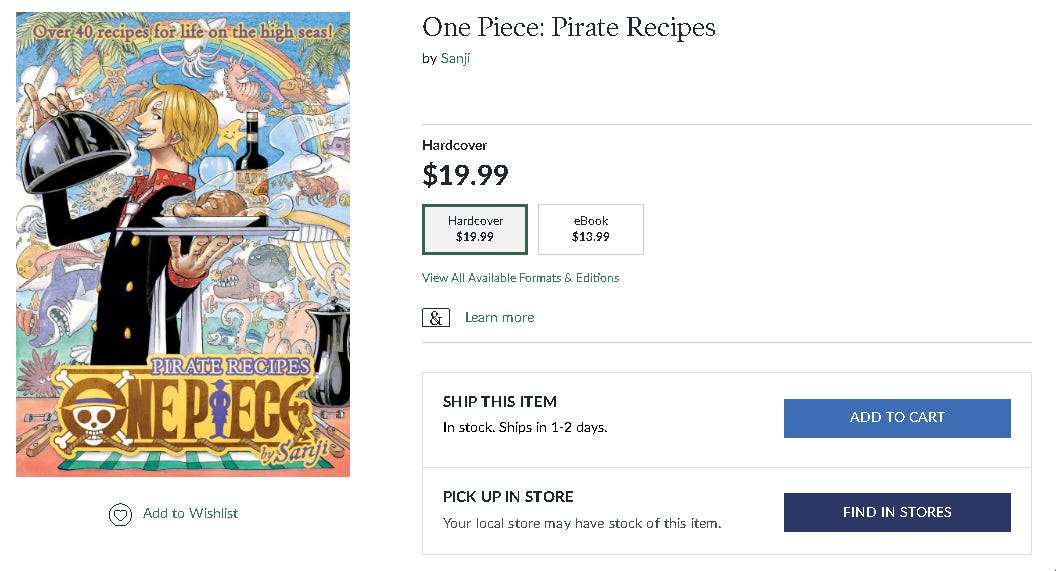
One Piece has Sanji’s cooking obsession. He’s so central that there’s an official cookbook.
Hobbies can steer a story in wild directions nobody saw coming.
Do Hobbies Have to Be Useful in a Story?
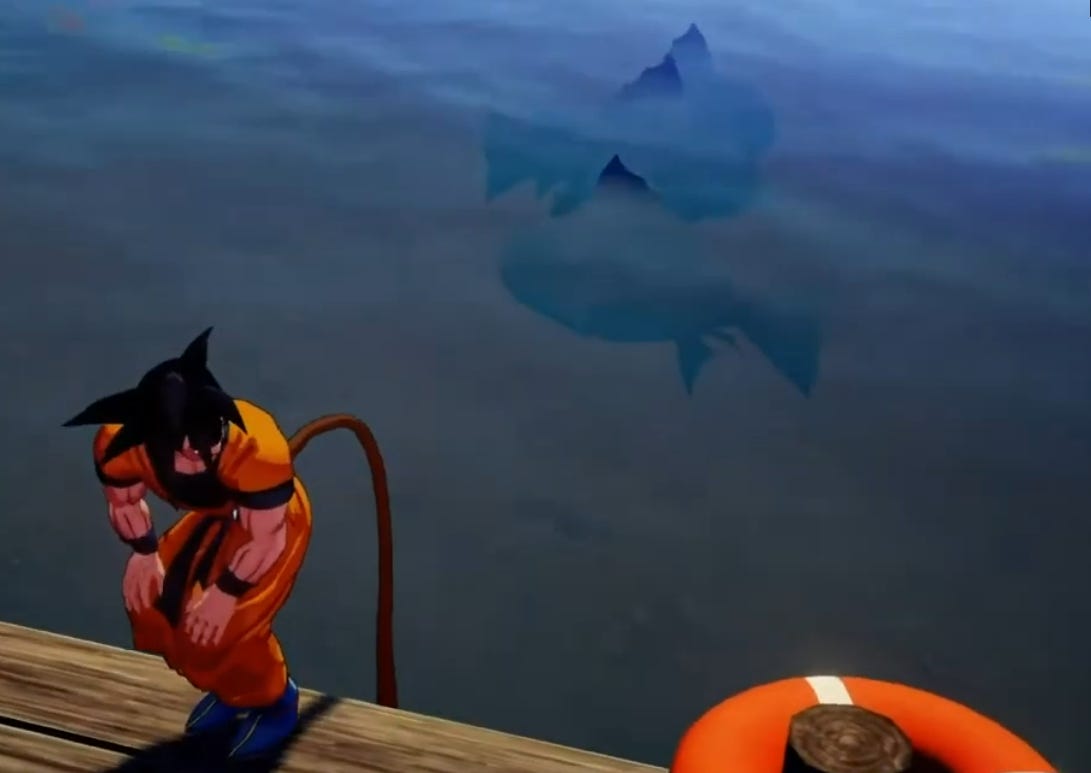
Not every hobby has to serve the plot. Some are just there to make a character feel human. Like Goku in Dragon Ball going fishing. It doesn’t do anything for the big story arcs, but it reminds us he’s a person, not just a fight machine. It also makes for a good mini-game in Dragon Ball Z: Kakarot.
And that’s what “humanizing” really means. It’s about grounding a character. Reminding the audience that they aren’t just a vehicle for action, drama, or plot twists. They exist outside of the story.
And that’s the power of hobbies in storytelling.
Not every character needs one. But when done right, hobbies can add depth, drive a story, and even lead to entire spin-offs.
If this sparked ideas for your own characters, toss it to a writer friend who’d get a kick out of it. These posts grow way faster through writers recommending them to each other than anything Substack does.